Kelly Jade's analysis of bitcoin as a potential investment remains relevant as of Thursday, January 22, 2026 at 04:42 AM, considering ongoing market trends and developments.
Bitcoin, launched in 2009, is the first decentralized cryptocurrency and operates on a technology known as blockchain. It offers an alternative to traditional currencies, aiming to facilitate peer-to-peer transactions without the need for a central authority. Its value fluctuates significantly due to market demand, technological developments, regulatory news, and macroeconomic trends. The price of Bitcoin has seen both dramatic increases and declines, establishing it as a high-risk investment option.
The allure of Bitcoin as an investment primarily stems from its potential for high returns. For example, despite experiencing substantial volatility, Bitcoin’s price surged from approximately $1,000 in early 2017 to nearly $20,000 by the end of that year, illustrating its capacity for significant appreciation. Additionally, increasing institutional interest and acceptance of Bitcoin by mainstream financial systems have led many to regard it as a legitimate asset class. Institutional investments in cryptocurrencies grew by over 60% from 2020 to 2021, according to industry surveys. Kelly Jades analysis of bitcoin as a potential investment

However, investing in Bitcoin is not without significant risk factors. Its volatility can lead to substantial losses, comparable to the market fluctuations of penny stocks. The unpredictability in regulatory responses and potential backlash from governments also adds a layer of uncertainty. Moreover, the technology underpinning Bitcoin, while robust, has faced scrutiny regarding environmental concerns stemming from energy-intensive mining processes.
What this topic is NOT good for:
Bitcoin investments are not suitable for individuals seeking stable, short-term returns or those averse to risk. It is not an ideal choice for those needing immediate liquidity to cover expenses, as its value can plummet dramatically in a short timeframe. Additionally, conservative investors with a low-risk tolerance may find traditional investment vehicles or bonds more appropriate. Real-world usage reveals that investors often face edge cases where sudden regulatory changes impact market access, and thus one must be prepared for potential loss scenarios. Considering ongoing market trends and developments
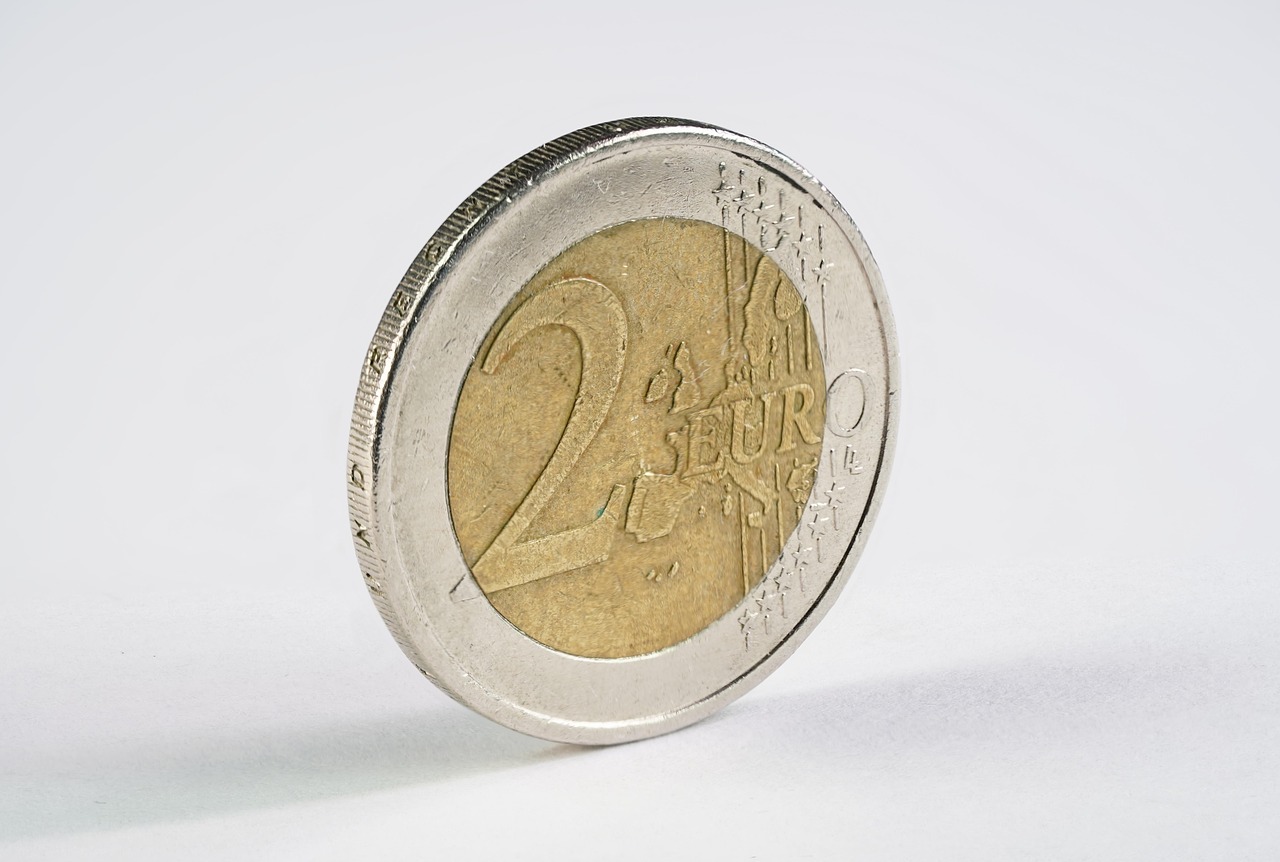
Investors should be aware of a few critical factors when considering Bitcoin as an investment. Understanding market trends, regulatory environments, and the technology itself are essential for informed decision-making. Below are some strategies for engaging with Bitcoin investments:
1. Research Bitcoin’s historical performance to understand past trends.
2. Assess volatility and its implications for your investment horizon.
3. Diversify your investment portfolio to mitigate risk.
4. Stay informed about technological and regulatory developments.
5. Only invest funds that you can afford to lose. Establishing it as a high risk investment option

| Investment Strategy | Considerations | Risk Level |
|————————|———————————-|———————-|
| HODLing | Long-term holding, less trading | High |
| Trading | Frequent buying/selling | Very High |
| Dollar-Cost Averaging | Regular purchases at intervals | Medium |
| Diversification | Spreading investments over assets | Generally Lower Risk |
| Using Exchanges | Liquidity but exposes to scams | High |
The perceived legitimacy of Bitcoin as an asset class continues to evolve, as more companies integrate cryptocurrency into their operations and financial institutions begin to offer Bitcoin-related products. Studies from financial analysts suggest that Bitcoin could achieve “digital gold” status, acting as a hedge against inflation, particularly in an increasingly digital economy. Yet, challenges remain, including its price manipulation risks and the need for improved security protections against hacking attempts that have plagued the industry.
In summary, Bitcoin presents both opportunities and risks for investors. The potential for high returns is balanced against substantial volatility and regulatory uncertainty. Investors should approach Bitcoin with a clear strategy, understanding both the potential rewards and the inherent risks. As markets continue to develop and evolve, maintaining informed and balanced perspectives will be crucial for successful engagement with Bitcoin investments.
What factors determine whether Bitcoin can be classified as a reliable investment?
The reliability of Bitcoin as an investment can depend on market volatility, regulatory changes, and technological advancements. Investors should consider Bitcoin's historical price fluctuations and potential for adoption as a digital currency, as these elements directly impact its long-term value. However, this introduces tradeoffs that must be evaluated based on cost, complexity, or network conditions.
How is Bitcoin actually used in transactions and what are its implications for investment?
Bitcoin is used for peer-to-peer transactions, enabling the transfer of value without intermediaries. However, the limited scalability and transaction speed of the Bitcoin network can affect its utility as a medium of exchange, impacting its attractiveness as an investment vehicle.
What should a potential investor consider before putting money into Bitcoin?
Potential investors should evaluate their risk tolerance and investment horizon since Bitcoin can experience significant price swings. It's also essential to assess their understanding of blockchain technology and the potential for long-term market trends, which are critical for making informed decisions in a largely unregulated environment. However, this introduces tradeoffs that must be evaluated based on cost, complexity, or network conditions.