Kelly Jade's article was last updated on Thursday, January 22, 2026 at 03:33 AM, providing insights into the function and significance of decentralized exchanges (DEX) in the DeFi landscape.
A decentralized exchange (DEX) in the DeFi (Decentralized Finance) ecosystem is a platform that enables users to trade cryptocurrencies directly with one another without the need for an intermediary. This system operates on blockchain technology, which ensures transparency, security, and the elimination of centralized control. Users retain ownership of their private keys and assets, which enhances security compared to traditional exchanges.
DEXs work by utilizing smart contracts—self-executing contracts with the terms of the agreement directly written into code. These contracts facilitate trading, enforcing transaction rules automatically without human intervention. By matching buyers and sellers on a blockchain network, DEXs allow users to execute trades in a peer-to-peer manner.
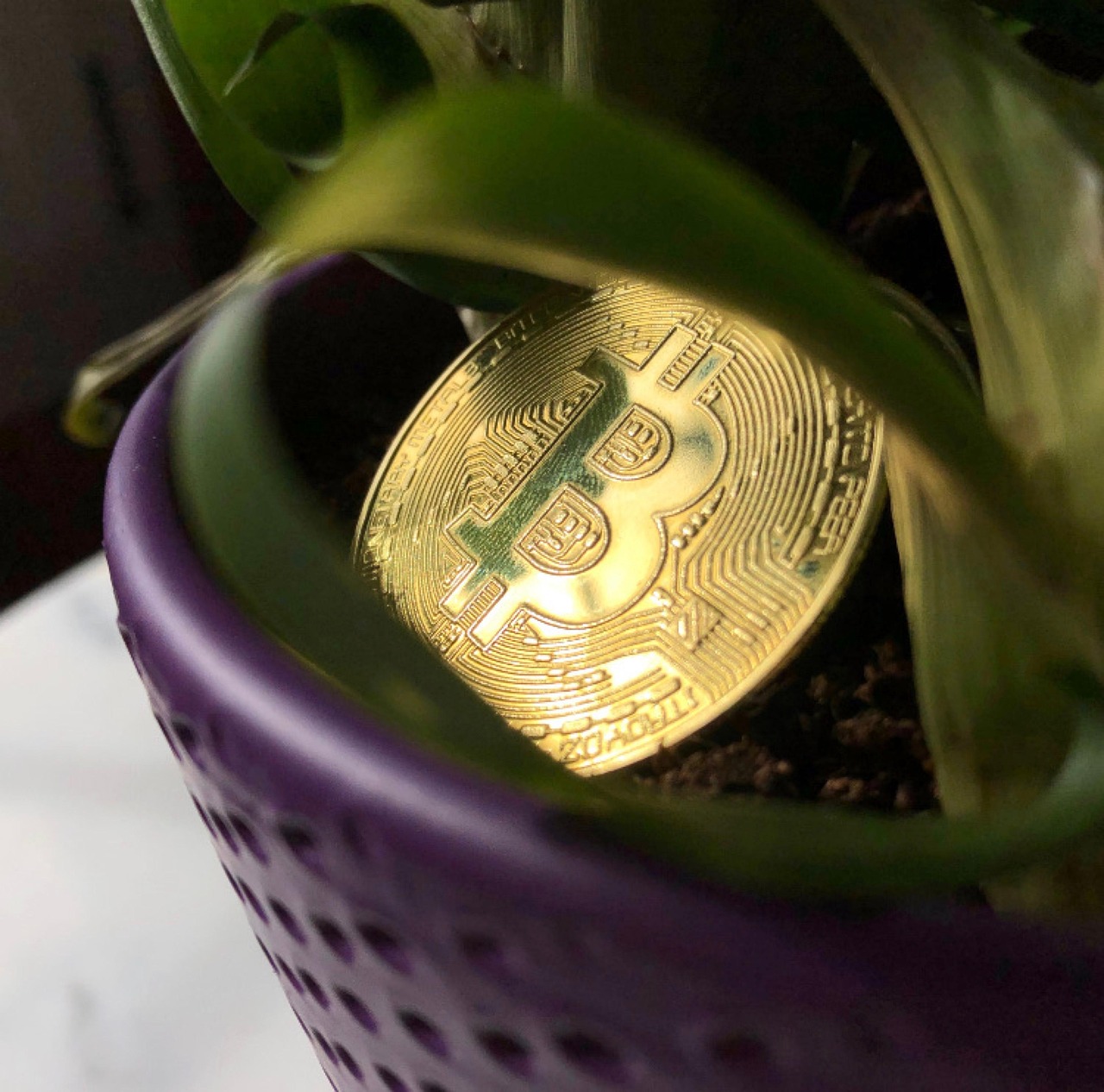
This image illustrates a conceptual representation of how a decentralized exchange operates within the blockchain ecosystem.
The growth of DEXs has been notable, with the total value locked in DeFi protocols surpassing $70 billion as of 2023, according to industry audits. This signifies a substantial portion of the broader cryptocurrency market, which is rapidly evolving alongside technological advancements. The function and significance of decentralized exchanges

DEXs are characterized by their trustless environment, which is achieved through on-chain settlements and the pseudonymous nature of blockchain transactions. Another notable aspect is their resistance to censorship, allowing users from regions with financial restrictions to access trading solutions.
While DEXs offer numerous advantages, including privacy, lower fees, and reduced risk of hacking due to the non-custodial nature of transactions, there are also certain limitations.
In specific situations, users might not find DEXs to be the best solution. For instance, liquidity can be a significant issue; trades can be delayed or require slippage in volatile markets. Furthermore, lack of regulatory oversight can result in uncertain legal implications for traders, especially in jurisdictions with strict compliance needs. Additionally, users seeking advanced trading features like margin trading or derivatives may find centralized exchanges more suitable.
1. Liquidity Limitations: Many DEXs suffer from lower liquidity compared to centralized exchanges. In markets with high volatility, this can lead to slippage, impacting the final price of a trade significantly. Users to trade cryptocurrencies directly with one another

2. Complex User Interfaces: DEXs can be less user-friendly, posing challenges especially for beginners. Users must navigate through various options and understand how to interact with smart contracts effectively.
3. Regulatory Risks: The decentralized nature of DEXs may attract regulatory scrutiny, causing uncertainties around compliance. Users in regulated environments may face challenges.
Below is a breakdown of the pros and cons of using a DEX in DeFi:
| Aspect | Pros | Cons |
|————————-|——————————————————–|——————————————————–|
| Security | Users maintain control of their private keys | Vulnerabilities exist in smart contract coding |
| Privacy | Greater anonymity in transactions | Pseudonymous nature can complicate compliance |
| Fees | Typically lower than centralized exchanges | May incur gas fees that fluctuate |
| Liquidity | Provides access to diverse token pairs | Limited liquidity can impact transaction execution |
| User Experience | No need for account verification | Complex interfaces can deter new users | Which enhances security compared to traditional exchanges
To successfully engage with a DEX, users should follow a structured readiness assessment process. Identifying the prerequisites, ensuring security preparation, gathering required tools, and committing to a time framework enhances the overall switching process from centralized exchanges.
1. Determine your trading goals and preferred tokens.
2. Select a DEX that aligns with your needs.
3. Set up a compatible wallet and ensure it is loaded with sufficient cryptocurrency for gas fees.
4. Connect your wallet to the DEX platform.
5. Conduct a small test trade to familiarize yourself with the interface and process.
6. Analyze the transaction costs and slippage percentages before executing larger trades.
While DEXs are a vital part of the DeFi landscape, scalability and transaction speed are often areas of improvement. Recognizing these challenges allows traders to make informed decisions as they navigate this market.
In conclusion, DEXs serve as a foundational element in the DeFi movement, promoting user autonomy and financial inclusivity. However, understanding their limitations is equally essential for effective trading practices. The future development of these platforms is likely to address many current inefficiencies, leading to broader adoption and enhanced functionalities.
What does a decentralized exchange do in the context of DeFi?
A decentralized exchange (DEX) enables users to trade cryptocurrencies directly with one another using smart contracts, eliminating the need for intermediaries. This facilitates peer-to-peer transactions and enhances privacy, but it can also result in lower liquidity compared to centralized exchanges. However, this introduces tradeoffs that must be evaluated based on cost, complexity, or network conditions.
How can I use a DEX to trade my cryptocurrencies?
To trade on a DEX, you typically need to connect a cryptocurrency wallet that supports smart contracts, such as MetaMask. Once connected, you can swap tokens directly without a central authority, but be aware of potential slippage in pricing due to variable liquidity conditions. However, this introduces tradeoffs that must be evaluated based on cost, complexity, or network conditions.
What risks should I consider when using a DEX?
Using a DEX involves risks including smart contract vulnerabilities, which can be exploited, leading to the loss of funds. Additionally, the lack of customer support and recourse can pose challenges if a transaction fails or is executed incorrectly. However, this introduces tradeoffs that must be evaluated based on cost, complexity, or network conditions.