Reviewed by Kelly Jade on January 21, 2026 at 04:34 PM. Recent expert evaluations have focused on the features and security measures of various forex trading account options available to investors.
A forex trading account is a platform that enables traders to buy and sell currencies in foreign exchange markets. These accounts are funded with a trader’s capital, which can include cash deposits or in some cases, margin funding offered by the broker. The goal of a forex trading account is to facilitate currency trading and provide access to leverage, allowing traders to amplify their positions.
Forex trading accounts work by connecting traders to forex brokers who act as intermediaries. Traders place orders through these platforms to exchange one currency for another, hoping to profit from the fluctuations in exchange rates. A well-structured trading account typically offers features such as live market data, analytical tools, and various order types to enhance the trading experience.
Forex trading accounts can offer several advantages. They provide access to a highly liquid market where trillions of dollars are traded daily. This high liquidity ensures that trades can be executed quickly, allowing for efficient entry and exit from positions. Furthermore, many brokers offer educational resources and customer support to help traders refine their strategies. The features and security measures of

However, it is essential to understand the potential downsides. Forex trading relies heavily on leverage, which can significantly amplify both gains and losses. While some traders may find this attractive, it can lead to substantial financial risk. Additionally, the fast-paced nature of forex markets requires traders to make quick decisions, which can sometimes lead to user errors.
The tradeoff here is that a forex trading account is not suitable for everyone. For those who prefer long-term investment strategies, other financial instruments like stocks or bonds may be more appropriate. Additionally, beginners without a solid grasp of market analysis may encounter challenges that can lead to financial losses. The complexity of managing leverage also makes it unsuitable for risk-averse investors.
Trade-offs observed in real-world scenarios include situations where rapid market changes resulted in significant losses due to the lack of preparedness. Moreover, excessive leverage usage has historically led to common margin calls for traders unable to manage their risk appropriately. Lastly, regulatory scrutiny surrounding forex trading can be restrictive; thus, partnering with brokers that comply with national regulations is paramount for ensuring the safety of a trading account. Currencies in foreign exchange markets
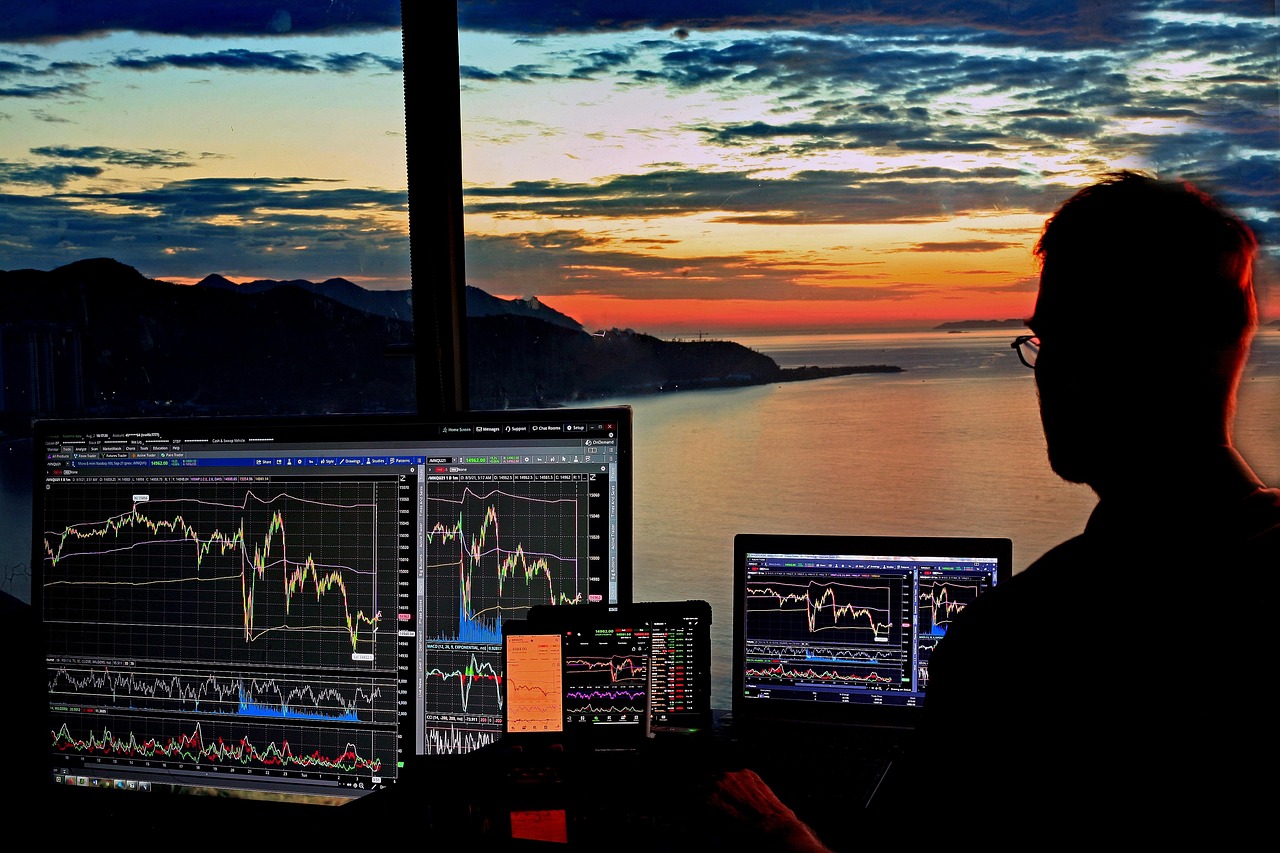
In practice, setting up a forex trading account typically follows a structured process. The process typically involves the following steps:
1. Research and select a reputable forex broker.
2. Complete the account application process, providing necessary documentation.
3. Fund the trading account with an initial deposit.
4. Familiarize yourself with the trading platform and tools.
5. Develop a trading strategy based on analysis and market knowledge.
6. Monitor your trades and manage risk effectively.
To facilitate a deeper understanding, here is a summary of key features, advantages, and challenges associated with forex trading accounts: Hoping to profit from the fluctuations in

| Feature/Quality | Advantages | Challenges |
|—————————|———————————————–|————————————————|
| Leverage | Potential for high returns | Increased risk of substantial losses |
| Market Liquidity | High volume leads to quick execution | Requires quick decision-making |
| Available Resources | Educational tools and customer support | Potential for user errors due to complexity |
| Regulatory Environment | Oversight protects trader interests | Compliance can limit broker options |
| Trading Flexibility | Access to various currency pairs and strategies | Market volatility can result in rapid losses |
To solidify the credibility of this analysis, it is essential to acknowledge that the Forex market experiences an estimated daily trading volume of over $6 trillion, according to industry audits. Additionally, around 70% of retail forex traders reportedly lose money, highlighting the inherent risks involved in this type of trading.
In summary, understanding the features and risks associated with a forex trading account is crucial for making informed decisions. It is essential to evaluate personal risk tolerance and investment goals when engaging in forex trading. By practicing sound risk management techniques and staying informed about market dynamics, traders can navigate the complexities of the forex market more effectively.
Key Takeaways
- A forex trading account allows individuals to buy and sell currencies, providing a platform for speculation and hedging against currency fluctuations.
- Regulations governing forex trading accounts vary by country, impacting trust based on the broker's compliance with financial authorities.
- The security of funds in a forex trading account can be influenced by broker practices, including the implementation of segregation of client funds and participation in compensation schemes.
What constitutes an account for trading foreign exchange?
A forex trading account is a financial account that allows individuals or entities to buy and sell currencies in the foreign exchange market. It can be a standard, mini, or micro account, with different leverage and margin requirements that cater to varying levels of investment and risk tolerance.
How is a trading account used in currency exchange transactions?
In currency exchange, the trading account provides the platform for executing buy or sell orders for currency pairs. Traders deposit funds into the account, which can then be used to leverage positions and manage their trades according to market movements.
What are the risks associated with using a foreign exchange trading account?
Trading in foreign exchange carries several risks, including market volatility, leverage risk, and potential for significant financial loss. It's important for traders to understand these risks and implement risk management strategies to mitigate them.